The Deadly Formulaic Procedural

Procedural shows are, by definition, formulaic. They require each episode to be pretty much self-contained, and rather than have long-format story arcs over the course of a season or longer, each week contains another cookie-cutter story.

I get super bored with procedurals. Really fast.

Following the same formula every week is extremely repetitive and – even worse – predictable. A lot of times procedurals start to fail when the viewers learn to predict the end of the episode shortly after it has even begun. Sure, if the particular case at hand that week is especially interesting, they’ll still keep watching, but they know what is going to happen anyway.

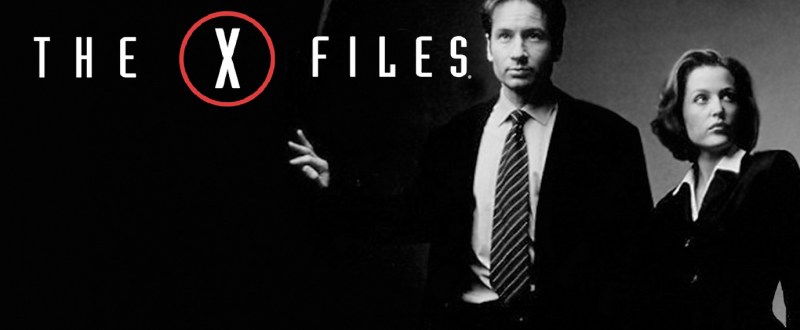
Most procedurals deal with law enforcement agents, doctors, or courts. One great example of (a good) procedural is The X-Files, which had a different paranormal phenomenon to be investigated and solved every week. The important thing, though, is that it had more than just stand-alone, self-contained episodes. Instead, it combined its case-of-the-week with an overarching plotline of mystery, corruption, and intrigue. Beyond that, it is the characters that carried this long-format narrative. Without Mulder and Scully, you have no X-Files (as evidenced by how absolutely dreadful the series became in the later seasons).

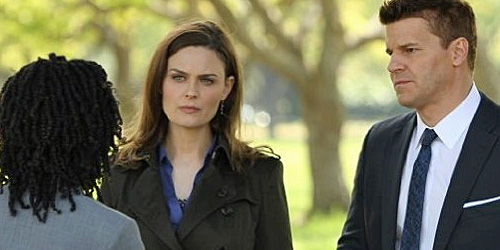
Despite the sense that procedurals are destined to die, it is entirely possible to write a great one. This PopMatters article uses the example of Bones to discuss the need for strong characters in procedurals in order for them to be successful. This is a key concept for television writers to take into consideration.

The Bones in Every Procedural TV Show, Including ‘Bones’, Are the Characters Themselves
Liz Medendorp @ PopMatters
130106-bonesarticle

I hate procedurals, but I love Bones. The compelling characters keep the audience engaged despite the formulaic format, but some episodes fall flat… This is something that all procedurals should take note of: it isn’t the new medical mystery or supernatural event or bizarre murder every week that keeps bringing us back, it’s the characters.”

Read more >

Industry Trends: Looking at 2012

As we look back at the biggest hits and biggest flops of 2012, there is a lot we can learn about industry trends and what works right now in film. The following article helps boil down a lot of information and makes some interesting projections about the future of film making in 2013 and beyond.

In particular, there have been some interesting developments in terms of:

  • Foreign markets and foreign (especially French) film influence
  • The draw of a-list directors and the lack of women directors
  • Genre formulas – and breaking out of them
  • Peak seasons and the possibility of having hits outside of them
  • The growth of smaller, even independent projects in mid-budget wide releases

One other pretty obvious trend that is only mentioned in passing in the article is the prevalence of the re-make/re-boot/sequel. Viewers are growing more and more aware of this approach of re-packaging and re-releasing successful films or other cultural products, to the point where there has been a good deal of criticism of it. Despite this call for more original work, I am not so sure that this trend will abate anytime soon. What do you think?

Have you noticed any other trends in the film industry over the past year? Where do you think films will go in 2013?

Take a look at the full article here:

Tops and Flops of 2012 Box Office – Lessons Learned
Tom Brueggemann @ Indiewire

130105-topsandflopsarticle

On the surface 2012 doesn’t look like a game-changer, after a decade of film business upheaval. In many ways the top fifteen top-grossers are all-too familiar–sequels, tentpoles, animated family fare and a comedy. But dig into the hits a bit and there are developments that could change how future films get made.”

Read More >

Adapting ‘The Hobbit’ for the Big Screen

As I mentioned briefly in my Top Ten Films of 2012 list, I really wanted The Hobbit to be great, and although it is certainly an enjoyable film, something about it just doesn’t seem quite right. Perhaps this is due to the fact that the book is essentially meant for children, and as such it is above all about adventure, not about some epic mission or battle between good and evil. In this way, it is episodic – it describes the various adventures Bilbo encounters on his journey instead of some grand overarching plot (although there is of course an end goal in mind). And of course, most obviously, the book is short. Much shorter than each of the installments of Lord of the Rings, which were each turned into one film, while this shorter work is being turned into three. There just simply isn’t enough to the story to make it to three 2.5- to 3-hour movies without it feeling a little strained. And it definitely did.

Adapting works from one medium to another is extremely common right now, whether it involves literature, film, television, video games, etc. This is something that writers of all kind need to take note of. The struggles of cross-media adaptation are many, and usually directly related to the work and media forms at hand, but The Hobbit represents one example of a literature-to-film adaptation that doesn’t quite work in some ways.

Philippa Boyens, one of the screenwriters on both the Lord of the Rings trilogy and The Hobbit, discussed the struggles of adapting The Hobbit for the big screen in a recent interview. While admitting the difficulties involved in such a task, she defends the choices of the writers, producers, director, and studio. What do you think of her take?

Hobbit Week: A Conversation with Hobbit Screenwriter Philippa Boyens
Ethan Gilsdorf @ Wired

130104-philippaboyensarticle

If you have quibbles or major beefs about how The Hobbit was adapted for Peter Jackson’s movie trilogy, Philippa Boyens has answers.

The production has been surrounded in controversy, ever since it was announced that the 300-odd page novel by J.R.R. Tolkien would become not one film, but two. Then, in July, Jackson, Warner Brothers Pictures and MGM dropped the bomb that the adaptation would encompass three films. Many cried foul. Other cried greed.”

Read More >