Why Did Smash Crash and Burn?

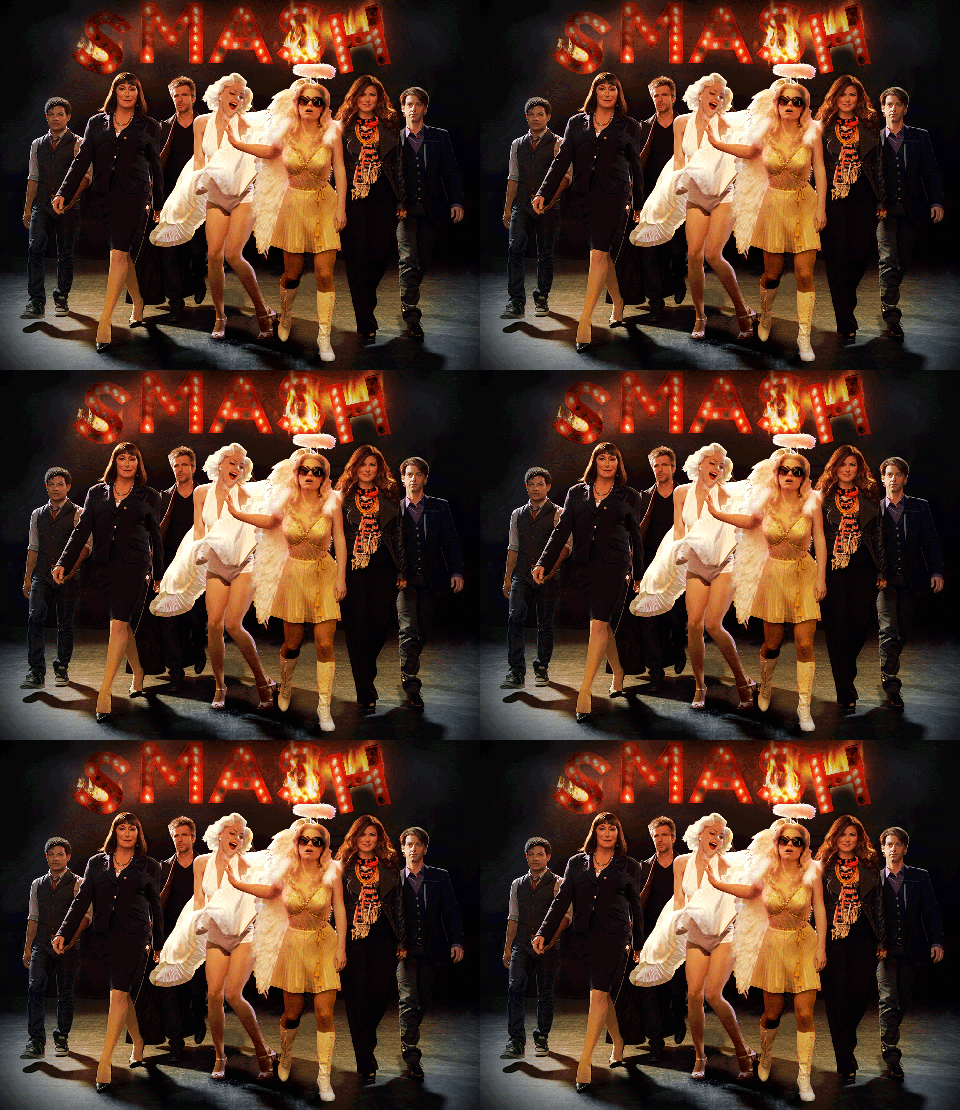
Smash had a very promising start, with a great pilot that got us all hooked and excited to see where the show would go. Unfortunately, it didn’t go anywhere. Quickly devolving into uninteresting side plots and melodramatic characterizations, this show simply lost track of what it was meant to be: a story about producing a Broadway show.

Viewers who are interested in the premise of Smash have no desire to see the show be more about the often times ridiculous behaviors of the various characters, but instead about the actual production, about Marilyn Monroe, and about breathing life into her story through song and dance. While some element of the drama behind the drama is of course a necessary part of such a story, Smash has, it seems, totally lost sight of the actual Broadway production.

Check out this great (although somewhat lengthy) article on the various elements of the production of Smash‘s first season that seems to have created the perfect storm, dooming this promising series to becoming a joke.

How “Smash” Became TV’s Biggest Train Wreck
Kate Arthur @ BuzzFeed
130204-article-smash

Smash was supposed to be the show that saved NBC — but people laughed at it instead. How did it all go so wrong?

A year ago, Smash began its first season on NBC, critically praised andexceedingly hyped, with the well-funded backing of the network and its chairman, Robert Greenblatt, who considered the musical drama his pet project. Steven Spielberg had dreamed up the concept, and his DreamWorks TV was behind it.
Read More >

Can Adaptations Be Better Than Their Originals?

Although we are in an era of shocking un-originality, inundated with sequels, spin-offs, and adaptations, sometimes there is some value in the “derivative” practice of adaptation. There are many instances where an adapted work is much more successful than its original, and the article below lists and discusses 14 such examples, complete with clips for demonstration.

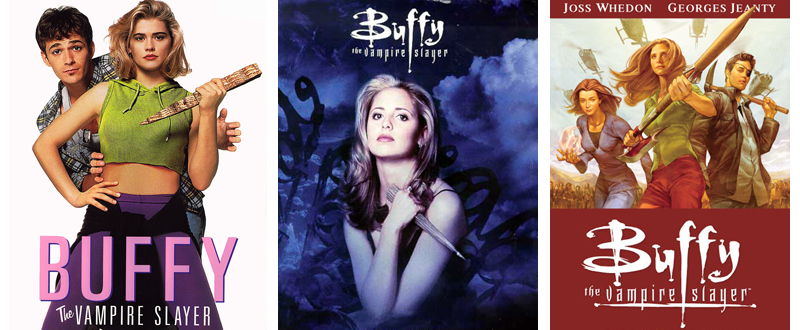
The best example, in my opinion, is Buffy the Vampire Slayer. Joss Whedon’s original concept was a film that was made in 1992, but was unfortunately skewed from his intentions simply by having the wrong director. Whedon intended the film to be taken seriously, while Fran Rubel Kuzui turned it into a campy, cheesy teen horror flick. When given the opportunity to turn it into a show, then, Whedon indisputably redeemed Buffy, producing the clever, witty, and insightful series that lasted seven seasons and is now in its 9th season in comic book form, continuing to enchant audiences to this day.

What are your favorite examples of adaptations that are better than their originals?

Clear eyes, full hearts, eh, I’ll just wait for the TV show: 14 TV series that usurped their original film versions
Jason Heller, Joel Keller, Noel Murray, Nathan Rabin, Tasha Robinson, and Scott Tobias @ A.V. Club

130201-adaptations

In the hierarchy of entertainment, television adaptations are generally considered poor relations of the films that spawned them. Oftentimes adaptations of films never make it past the pilot stage, like an ill-fated 1997 television version of Fargo starring Edie Falco. Even when television adaptations do make it onto a network schedule, they seldom make it past a single season. But every once in a while, a television adaptation—official, loose, or otherwise—usurps its big-screen version in the public’s imagination.

Read More >

‘Sleep Tight’ Put Me to Sleep

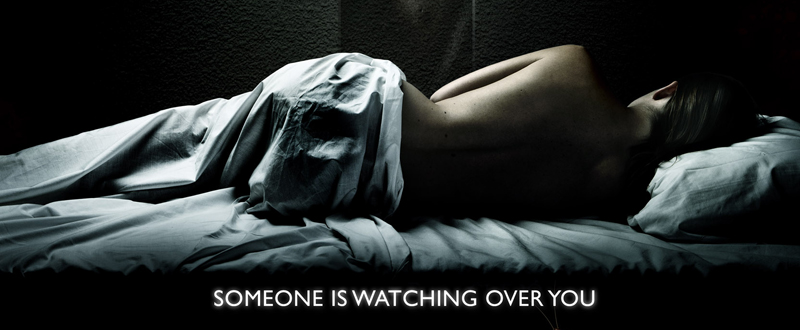
The new movie from Jaume Balagueró, the director of REC and REC 2, was a bit of a disappointment. Sleep Tight moves incredibly slowly, building the suspense in an admittedly effective way, but the pacing of the film in general kept it from really grabbing my attention. Any momentum that is gradually gathered throughout the film fizzles out after the sort of pseudo-climax 2/3 of the way in, and it goes back to a slow, drawn-out resolution that only grips you again in the final moments.

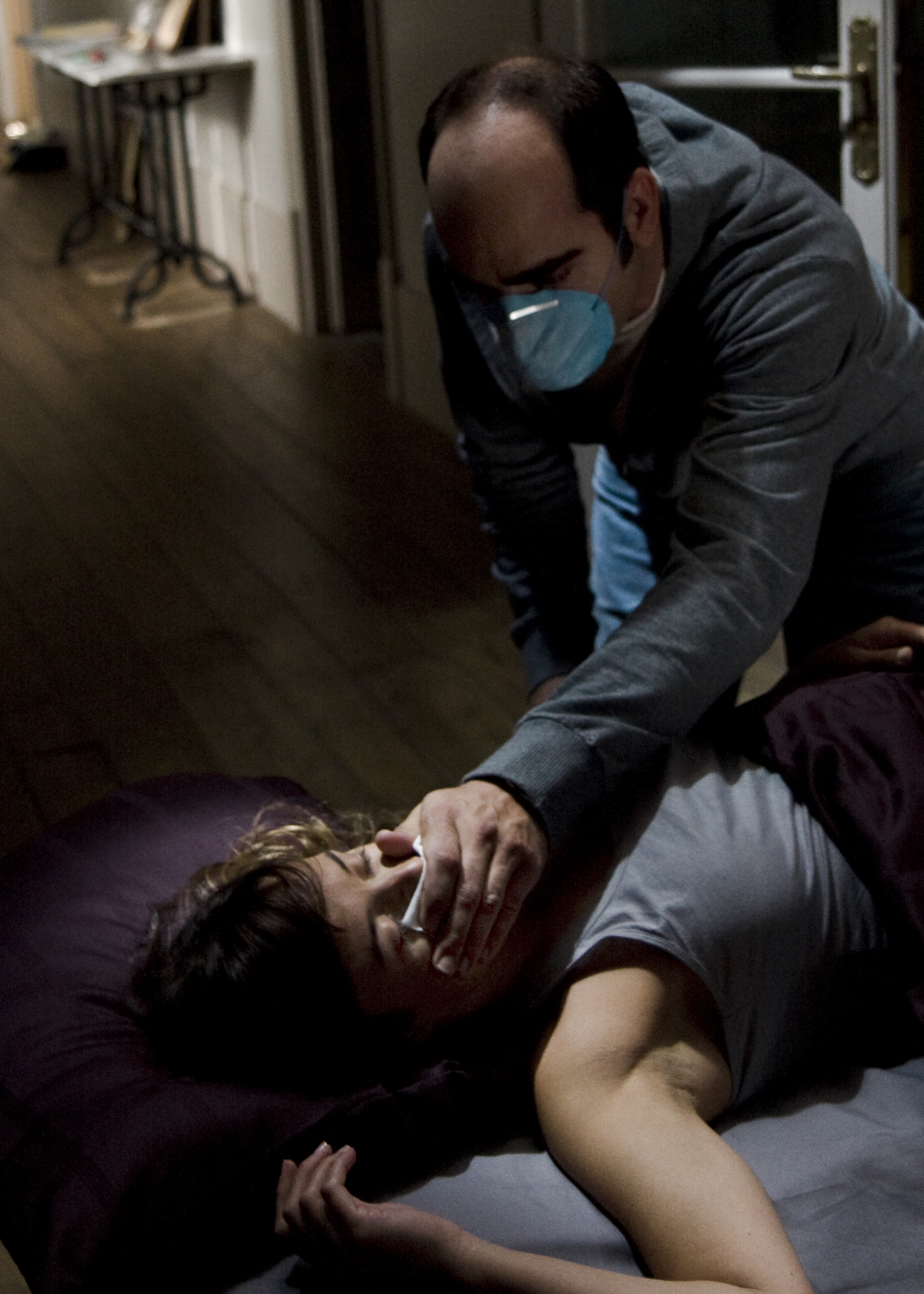
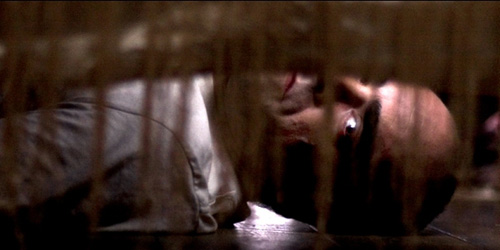
130202-sleeptightThe first 10-15 minutes are especially yawn-worthy, simply depicting the mundane tasks of apartment building manager César’s (Louis Tosar) life and routine. Some may say that this is an artistic choice, made in order to get the viewer into the mindset of our anti-protagonist, but for me the fact that it was so boring led to the exact opposite effect: I had almost no investment in César because he seemed so gorram boring. Really, the entire first half of the film almost put me to sleep.

The worst thing about this kind of approach to exposition used in Sleep Tight is the fact that it violates the contract with the audience. All screenwriters should be aware that the first ten minutes (or pages) of a movie are the most important–this is where you grab your viewer’s attention and give them the information they need to make the decision to invest the next 90 or so minutes of their life on this film. By the end of those ten minutes, then, the viewer should know the genre, who they are rooting for (the protagonist), the main conflict, and what the main character’s motivations are. Now, some element of mystery can still be maintained, but without these key elements, your audience is likely to get bored, preventing them from getting invested in the characters and the story.

And therein lies Sleep Tight‘s primary failing: César’s motivation is not only difficult to decipher in those first scenes, but even when it is explicitly stated by the end of the film, it convoluted and unrelatable. As I have discussed before, if you’re making your protagonist a “bad guy,” his motivation is the most essential part of his character, as the audience needs to be able to relate to it and even share in justifying his actions because of it.

Check out this review of Sleep Tight that discusses both its successes and its failings. What did you think of this new movie from Balagueró?

‘Sleep Tight’s Slow-Moving Suspense is a Snooze
Liz Medendorp @ PopMatters

130202-article-sleeptight

From the director of REC comes a slow burning suspenseful story of mental illness and clandestine abuse that leaves you with a skeevy feeling.

Read More >